When to Visit Tanjung Aan Resort: A Guide to Lombok’s Dry Season
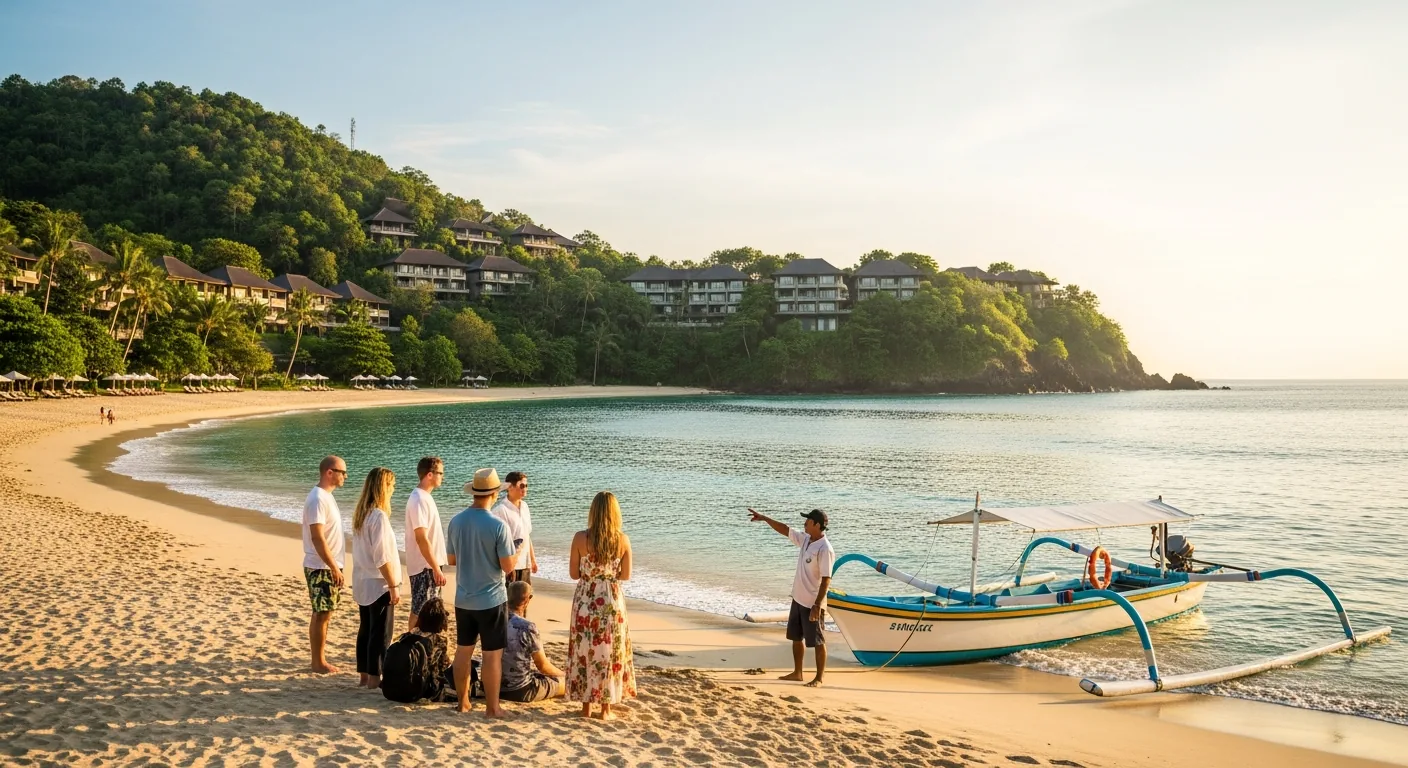
The late afternoon sun casts long shadows across the twin crescents of Tanjung Aan bay. The air, stripped of the oppressive humidity of other seasons, carries the scent of salt and dry earth. From a beachfront suite at Tanjung Aan Beach Resort Lombok, the sound is a gentle rhythm—the whisper of waves collapsing onto sand so fine and white it resembles crushed pearls. This is Lombok’s dry season, a period of meteorological grace that draws discerning travelers to its shores. Yet, planning a trip to this part of the Indonesian archipelago presents a critical question: when, precisely, is the ideal time to arrive? The difference between a visit in May versus July, or September versus November, can fundamentally alter the character of your stay. A poorly timed trip can mean contending with persistent rainfall and clouded skies, limiting access to the very experiences that define this Kuta Lombok resort. See also: Tanjung Aan Beach Resort Lombok.
This guide serves as a definitive resource for nuances of Lombok’s climate. We will dissect the dry season month by month, providing the data and expert context necessary to align your travel dates with your intentions, whether they involve surfing the southern breaks, exploring the underwater gardens of the Gili Islands, or simply finding tranquility on the shores of Tanjung Aan beach. See also: explore Rooms And Suites.
Understanding Lombok’s Climatic Dichotomy
Lombok, located just east of Bali at a latitude of 8.5833° S, operates on a distinct two-season cycle dictated by monsoon winds. Unlike the four-season calendar of temperate climates, life here is governed by the presence or absence of rain. The dry season, locally known as musim kemarau, typically extends from May through September. During this period, southeasterly winds from the Australian continent bring arid, stable air, resulting in minimal precipitation and abundant sunshine. Average daytime temperatures hover around a comfortable 27-29°C (81-84°F), while humidity drops to a more manageable 70-75%. This is the season when the island’s landscapes are at their most accessible and its marine environments offer the clearest conditions.
Conversely, the wet season, or musim hujan, runs from October to April. The prevailing winds shift, drawing moisture-laden air from the Asian continent and the Pacific Ocean. This period is characterized by higher humidity, often exceeding 85%, and significant rainfall. While rain often comes in intense but brief afternoon downpours rather than all-day drizzles, it can impact travel plans, particularly for activities like trekking or boat excursions. The “shoulder” months of April and October represent transitional periods, where one might experience a mix of conditions—often with the benefit of fewer visitors and more competitive pricing for a premium Lombok beach resort stay.
The Prime Window: Why June to August is Considered Peak Season
For travelers seeking the most reliable weather, the months of June, July, and August represent the apex of the dry season. This three-month corridor offers a consistent formula of sun-drenched days, low humidity, and calm seas on the northern and western coasts. Rainfall in South Lombok during these months is scarce, often totaling less than 40mm for the entire month—a stark contrast to the 300mm+ that can fall in January. This meteorological stability makes it the preferred time for a wide range of pursuits. Marine visibility around the ‘Secret Gilis’—islands like Gili Nanggu and Gili Kedis, a popular day trip from the Kuta area—can extend beyond 20 meters, creating exceptional conditions for snorkeling and diving. See also: Contact.
For the surfing community, this period is defined by the arrival of consistent groundswells generated by winter storms deep in the Indian Ocean. These swells travel thousands of kilometers to meet the reefs of Lombok’s south coast. Breaks near Tanjung Aan, such as those in Gerupuk Bay (a 15-minute drive from the resort), offer reliable waves for various skill levels. This is also the only time of year when trekking the 3,726-meter Mount Rinjani is advisable; the national park is officially open from April 1st to early January, but the dry-season months provide the safest and most pleasant conditions. This confluence of ideal factors naturally leads to higher demand. Securing a reservation at a sought-after Kuta Lombok resort like Tanjung Aan Beach Resort Lombok during this peak period often requires booking three to five months in advance. A Deluxe Ocean View room, for example, may average $280 USD per night, reflecting the season’s desirability. See also: see Tanjung Aan Beach Resort Lombok’s About.
A Traveler’s Comparison: Peak vs. Shoulder Season at Tanjung Aan
Choosing between the absolute peak of the dry season and its shoulder months involves a trade-off between perfect weather and potential value. The shoulder months of May and September can offer an excellent compromise, with weather that is still predominantly dry but with a slightly higher chance of an ephemeral afternoon shower. These months see fewer travelers than the July-August peak, which can translate to a more serene experience at popular sites and better availability at top resorts. The following table illustrates the key differences for a stay at Tanjung Aan Lombok.
| Metric | Peak Season (July) | Shoulder Season (May/September) |
|---|---|---|
| Weather | Consistently sunny, minimal cloud cover, low humidity (approx. 70%). Average temperature 28°C. | Mostly sunny with a chance of brief, isolated showers. Slightly higher humidity (approx. 75-80%). |
| Crowd Density | High. Popular beaches, restaurants, and attractions are at their busiest. Advance reservations are essential. | Moderate. A more relaxed atmosphere with fewer visitors, particularly in early May and late September. |
| Activities | Optimal conditions for all activities: diving, surfing, trekking Mount Rinjani, and beach lounging. | Excellent for most activities. Waterfalls like Benang Stokel are often more impressive due to earlier rains. |
| Accommodation Price | Peak pricing in effect. Expect rates to be 20-30% higher than in the low season. | Transitional pricing. Potential for value, with rates often 10-15% lower than the peak season. |
Expert Perspectives on Timing Your Lombok Escape
To add further context, we consulted with specialists familiar with the region’s unique patterns. According to Marco Bianchi, a surf guide with over 15 years of experience charting the waves of the Lesser Sunda Islands, “The period from June to August is legendary for a reason. We see long-period swells from the southwest, which light up the reefs around Kuta Lombok perfectly. The trade winds blow offshore all day, grooming the waves. For a surfer, it’s the most dependable window. But September can be a lesser-known destination; the crowds thin out, but the season’s last solid swells still roll in.”
From a cultural and ecological perspective there is another viewpoint worth weighing. “While the dry season is best for tourism, it’s important to understand the island’s rhythm. Water is a precious resource, and by September, the landscape is parched and golden-brown. A visit in May allows you to see the island at its most verdant, still lush from the wet season rains but with the benefit of returning sunshine. It’s a visually spectacular time to be at a place like Tanjung Aan beach.” This perspective highlights that the “best” time can be subjective, depending on whether a traveler prioritizes vibrant green scenery over the guarantee of rain-free days.
Beyond the Weather: Key Cultural Events and Festivals
Aligning your visit with Lombok’s cultural calendar can add a rich layer to your experience. While the famous Bau Nyale Festival (the catching of sea worms) occurs in the wet season (typically February or March), the dry months host their own significant events. The most prominent is Indonesian Independence Day on August 17th. Across the island, including in the villages near Kuta Lombok, you will witness flag-raising ceremonies, parades, and traditional games, offering a vibrant display of national pride. Later in the season, typically in August or September, the Senggigi Festival takes place on the west coast. While a drive from Tanjung Aan (approx. 1.5 hours), it is the island’s largest cultural event, showcasing Sasak music, dance, and crafts. Additionally, the timing of Lebaran (Eid al-Fitr), the end of the Islamic fasting month of Ramadan, varies annually. If it falls within the dry season, expect a period of widespread domestic travel and celebration, which can make for a lively but busy time to visit.
Planning Your Itinerary from Tanjung Aan Beach Resort Lombok
With a clear understanding of the seasonal dynamics, you can now construct a well-timed itinerary. Your stay at Tanjung Aan Beach Resort Lombok serves as the perfect basecamp for exploring the island’s southern coast and beyond. Here are actionable steps based on your chosen travel window:
- For a Peak Season Visit (June – August): Book your flights into Lombok International Airport (LOP) at least four months in advance to secure reasonable fares. Reserve your suite at our Kuta Lombok resort concurrently, as premier rooms with ocean views are the first to be claimed. Pre-arrange key excursions, such as private boat charters to the eastern Gili islands or surf lessons in Gerupuk Bay, as demand for the best guides and boats is high.
- For a Shoulder Season Visit (May or September): You have more flexibility. Flights and accommodation can be secured two to three months prior. This is an excellent time to negotiate better rates for private drivers or boat charters. Pack a lightweight waterproof jacket for the occasional shower. Plan trips to inland waterfalls, which will be flowing more robustly than at the end of the dry season.
- Regardless of the Month: The drive from Lombok’s airport to Tanjung Aan is approximately 30 minutes (20 kilometers). Our resort can arrange a private transfer for approximately 350,000 IDR (around $22 USD). Once here, the nearly two-kilometer-long bay of Tanjung Aan is at your doorstep, offering two distinct coves for swimming and relaxation, separated by a small rocky headland perfect for sunset viewing.
Secure Your Place in Paradise
The optimal window for experiencing the serene beauty of South Lombok is clear. The dry season, particularly the months from June to August, offers the most idyllic conditions for a stay at our Lombok beach resort. The pearl-white sands and turquoise waters of Tanjung Aan beach await.
To ensure your preferred dates and accommodations are available, we recommend planning your visit in advance. Contact our reservations team to begin crafting your stay at Tanjung Aan Beach Resort Lombok.
Tanjung Aan Beach Resort Lombok
Reservations Phone: 0811-3941-4563
Email: [email protected]
Bali Office: Jalan Sunset Road No. 88, Kuta, Badung, Bali 80361, Indonesia